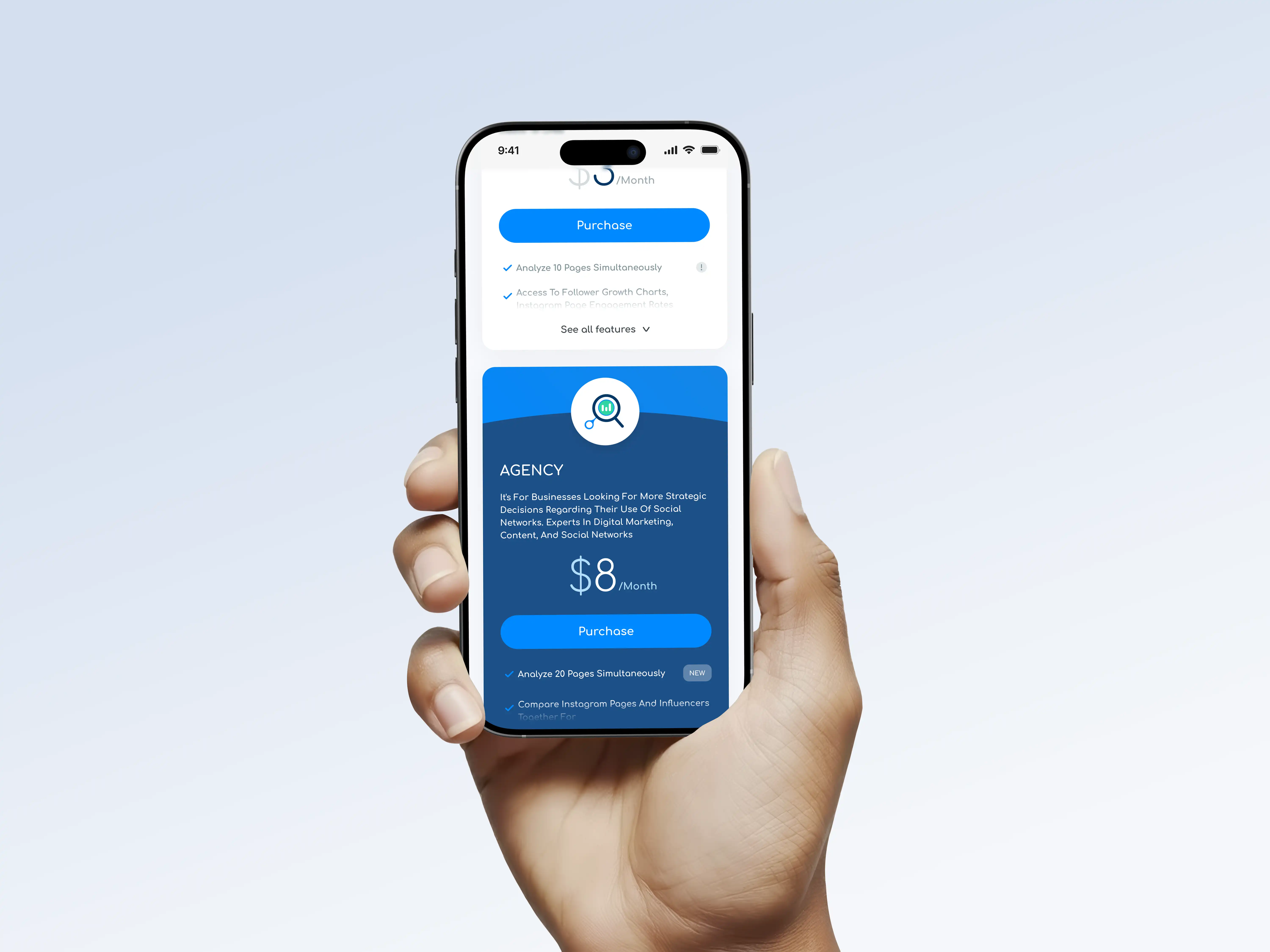
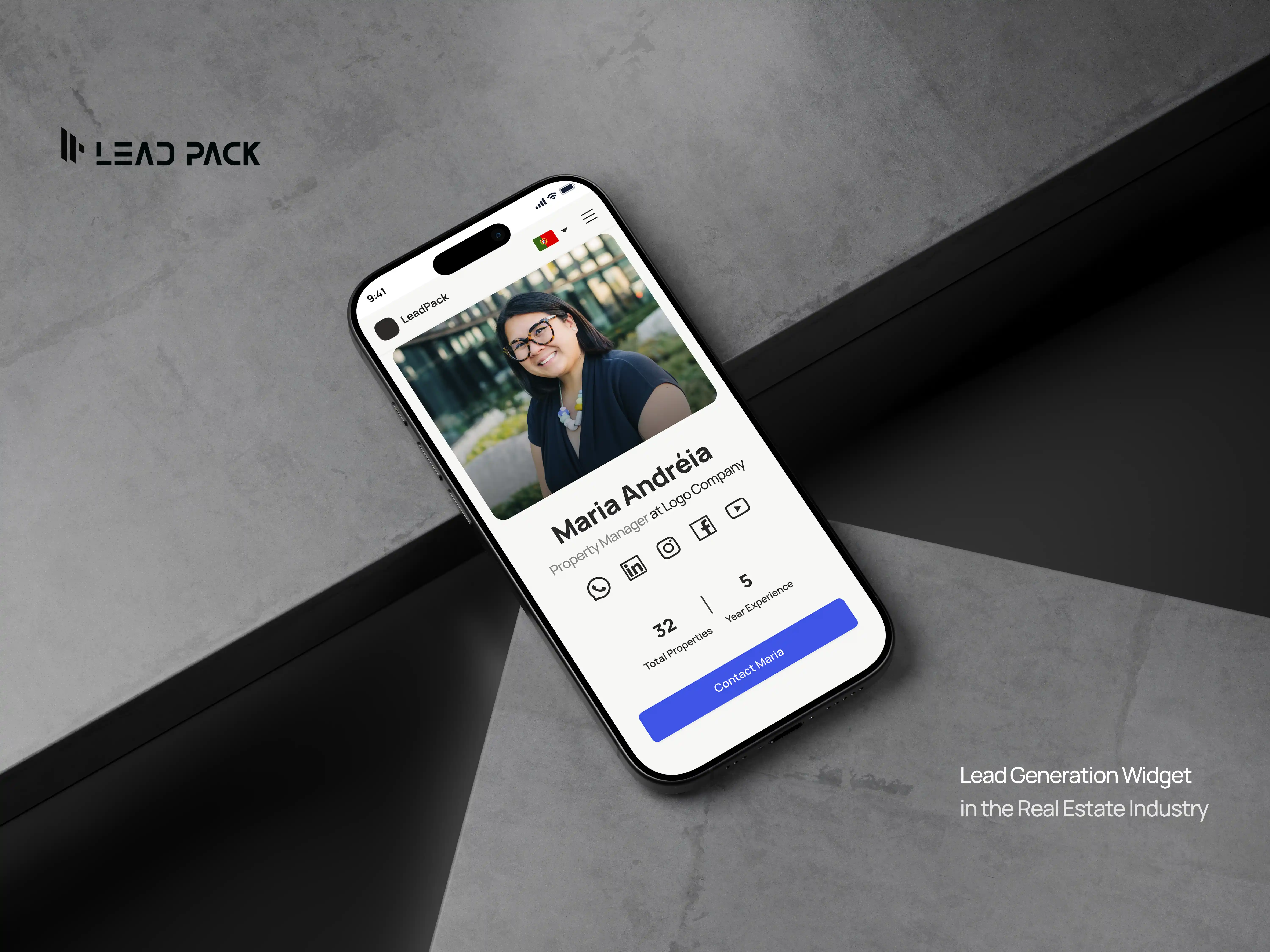
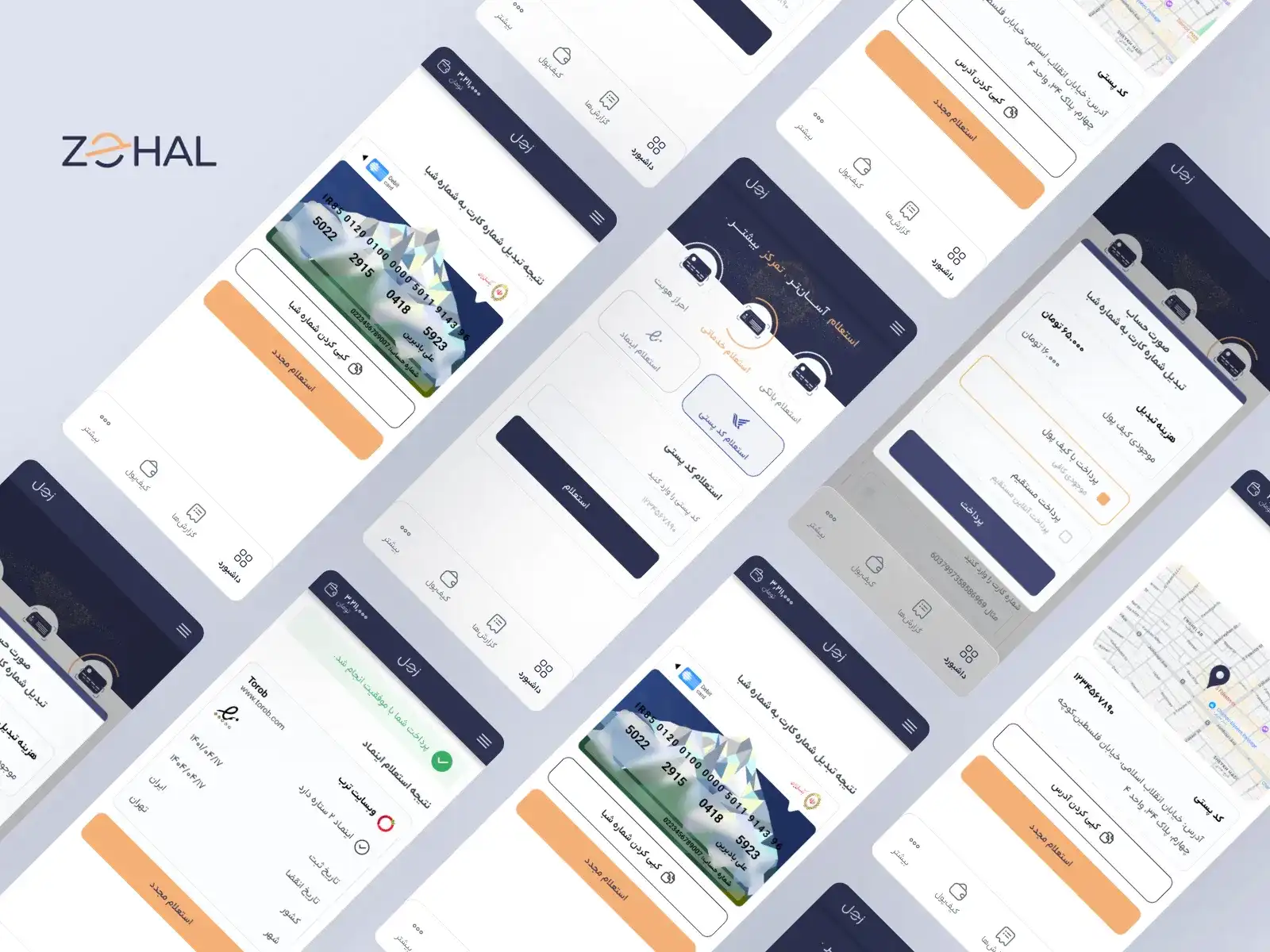
The goal was to create an intuitive and efficient user experience for finding and analyzing influencers.
I focused on a clean, and a modern design with a clear information hierarchy to make the page visually appealing and easy to navigate.

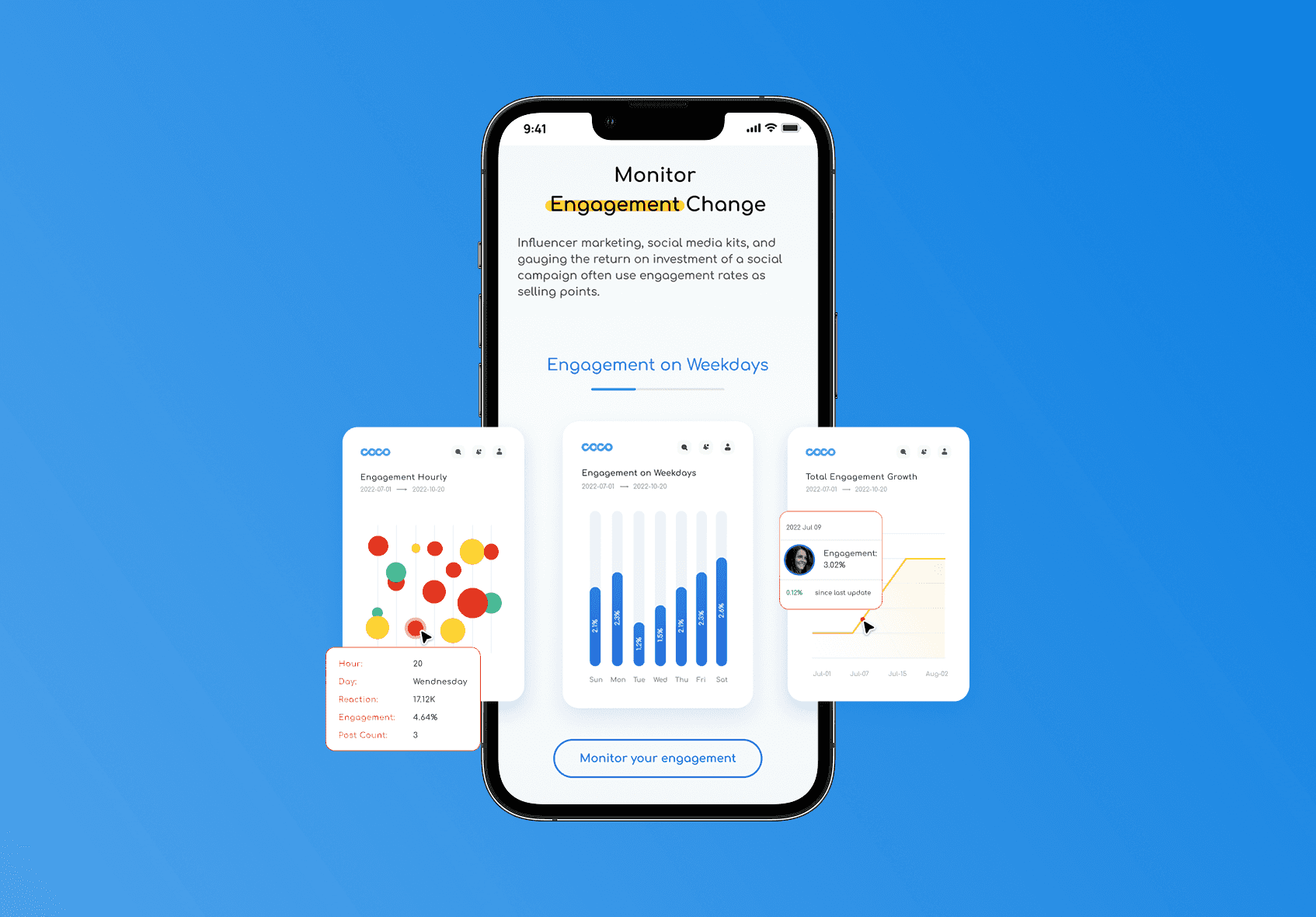
A significant hurdle was the data visualization. Influencer analytics can be complex, and presenting metrics like engagement rate, audience demographics, and growth trends in a digestible format was crucial. I opted for a combination of bold statistics, clear charts, and color-coded indicators. For example, engagement rates were displayed with large, easy-to-read numbers and a corresponding color (green for high, yellow for medium, red for low) to provide an immediate sense of performance. The audience demographics were visualized using simple pie charts and bar graphs, making it easy to see the age, gender, and location breakdown of an influencer's followers at a glance.
User experience was at the forefront of every design decision. The search results were displayed in a card-based layout, with each card providing a quick summary of the influencer's key stats, a profile picture, and a link to view their detailed profile. This format enables users to quickly scan results and compare influencers side by side. I also incorporated a "Save to List" feature, enabling users to curate a list of potential influencers for later review. Feedback from early user testing confirmed that this feature was highly valued, as it streamlined the process of building a shortlist. The overall design prioritizes efficiency and user control, transforming a potentially daunting task into a smooth and engaging experience.